
Understanding the psychology behind gambling Why do we take risks
The Thrill of Uncertainty
At the core of gambling lies a fascinating psychological phenomenon: the thrill of uncertainty. This allure is what draws many individuals to casinos, lotteries, and sports betting. When players engage in these activities, they often experience a rush of adrenaline, driven by the possibility of winning big. This thrill can become addictive, as the brain releases dopamine, a neurotransmitter associated with pleasure and reward, each time a bet is placed or a game is played.

This excitement can overshadow the rational evaluation of risks. Many gamblers underestimate the odds of winning and overestimate their chances of success. This cognitive distortion can lead to a cycle of repeated gambling, as the prospect of a potential win often blinds individuals to their actual losses.
The Role of Cognitive Biases
Cognitive biases play a significant role in gambling behavior. One such bias is the “gambler’s fallacy,” where individuals believe that past outcomes influence future results. For example, a player may think that if a slot machine hasn’t paid out for a while, it is “due” for a win. This misconception can encourage prolonged gambling despite mounting losses.
Furthermore, the illusion of control is another powerful bias. Gamblers often feel they can influence the outcome of games of chance through their actions or strategies, leading them to take greater risks. This false sense of control can further entrench players in the gambling cycle, making it difficult to recognize when it’s time to stop.
The Social Aspect of Gambling
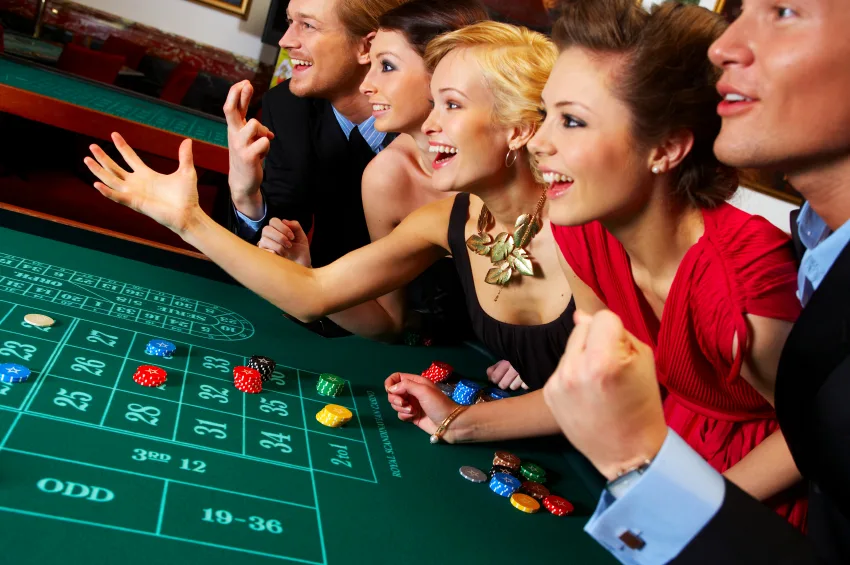
Gambling is not solely an individual pursuit; it often occurs in social settings, enhancing its appeal. The communal atmosphere of casinos or betting establishments can amplify the excitement, as individuals feed off each other’s energy. This social aspect can create a sense of belonging among gamblers, making it even harder for them to walk away.
Moreover, social interactions can provide a form of validation. Sharing wins and losses with friends or fellow gamblers can create a bond that reinforces continued participation. This social reinforcement can sometimes overshadow the negative consequences, leading to increased risk-taking behaviors.
The Impact of Marketing and Environment
The gambling environment is meticulously designed to encourage participation. Casinos utilize bright lights, sounds, and other sensory stimuli to create a captivating atmosphere. This carefully crafted environment can induce a state of euphoria, further enticing individuals to take risks. The layout of a casino is also intentionally designed to keep players engaged for as long as possible, creating an immersive experience that can be hard to escape.
Moreover, aggressive marketing strategies promote the idea that anyone can win big, contributing to the normalization of gambling. Advertisements often highlight the excitement of wins while downplaying the risks involved. This skewed portrayal can lead individuals to view gambling as a harmless form of entertainment, rather than acknowledging the potential for addiction and financial ruin.
Exploring Responsible Gambling
Understanding the psychology behind gambling is crucial for promoting responsible gaming. Many organizations emphasize the importance of self-awareness and setting limits when engaging in gambling activities. By fostering an understanding of cognitive biases and the impact of environment and social factors, individuals can make more informed decisions.
Encouraging open conversations about gambling behaviors and their psychological underpinnings can help dismantle the stigma around seeking help. Resources and support systems are available for those who may struggle with gambling addiction, emphasizing that it’s okay to step back and reevaluate one’s relationship with risk-taking activities.